


Why Fidget Toys Are Beneficial
In the gentle hum of daily life, finding small moments of calm and focus can feel like a treasure. Fidget toys have quietly become those little treasures for many children and adults alike. These simple gadgets, designed to be held and manipulated, offer more than just a distraction. They provide a soothing outlet for restless energy and a bridge to better concentration. As someone who has seen firsthand the positive impact these tools can have, I’m excited to share why fidget toys are beneficial and how they can make a meaningful difference.
The Advantages of Fidget Gadgets in Everyday Life
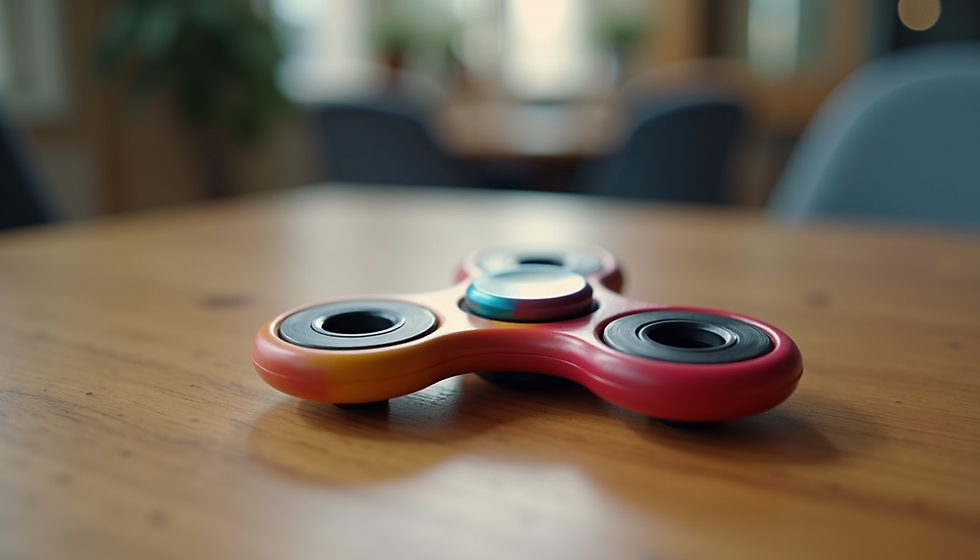
Fidget gadgets are more than just playful objects; they serve a practical purpose that resonates deeply with children who have sensory needs. These tools help channel excess energy in a way that feels natural and comforting. For example, a child who struggles to sit still during homework might find that a small spinner or textured cube helps them stay grounded and attentive.
The advantages of fidget gadgets extend beyond simple distraction. They can:
Improve focus and attention: By providing a subtle sensory input, fidget toys help the brain stay engaged without becoming overwhelmed.
Enhance fine motor skills: Manipulating small objects encourages dexterity and hand-eye coordination.
Reduce restlessness: The repetitive motion of fidgeting can calm the nervous system, making it easier to remain seated or attentive.
Support sensory regulation: For children with sensory processing differences, these toys offer a controlled way to meet sensory needs.
In classrooms and homes, these benefits translate into smoother transitions, better participation, and a more positive learning environment.

How Fidget Toys Support Emotional Well-being
Beyond physical benefits, fidget toys play a gentle role in emotional regulation. When emotions run high, having a small, manageable outlet can be incredibly grounding. The tactile sensation of squeezing a soft ball or clicking a small gadget can help redirect feelings of frustration or anxiety into something manageable.
For children who find it difficult to express their emotions verbally, fidget toys offer a nonverbal way to communicate and cope. This can be especially helpful during moments of overwhelm or sensory overload. The rhythmic motion and sensory feedback provide a calming effect, helping to soothe the mind and body.
In my experience, incorporating fidget toys into daily routines encourages a sense of control and self-awareness. Children learn to recognize when they need a moment to reset and how to use their fidget gadgets as a tool for emotional balance.

Do Fidget Toys Help with Anxiety?
One of the most common questions I encounter is whether fidget toys help with anxiety. The answer is a heartfelt yes. Anxiety often manifests as physical restlessness or an inability to focus, and fidget toys provide a constructive outlet for these sensations.
When anxiety strikes, the simple act of fidgeting can serve as a grounding technique. It helps redirect nervous energy and provides a sensory distraction that can ease the intensity of anxious thoughts. For children, this can mean the difference between a meltdown and a moment of calm.
Research and anecdotal evidence both support the calming effects of fidget toys. They engage the senses in a way that promotes mindfulness and presence, which are key in managing anxiety. Whether it’s a textured ring, a stretchy band, or a clicker, these gadgets offer a portable, discreet way to find peace in the midst of stress.
If you’re curious about exploring the fidget toys benefits further, there are many options designed specifically to support sensory needs and emotional well-being.
Practical Tips for Choosing and Using Fidget Toys
Selecting the right fidget toy can feel overwhelming with so many options available. Here are some practical tips to help you find the perfect fit:
Consider the child’s sensory preferences: Some children prefer soft, squishy textures, while others might like smooth, clicking mechanisms.
Think about the setting: For classrooms, quieter toys like putty or small spinners are ideal to avoid distractions.
Start small: Introduce one or two toys at a time to see what works best.
Encourage mindful use: Teach children to use fidget toys as a tool for focus and calm, not just for play.
Rotate toys: Changing toys periodically can keep interest high and provide varied sensory input.
Using fidget toys thoughtfully can enhance their effectiveness and help children develop self-regulation skills that last a lifetime.
Embracing the Journey with Fidget Tools.
The journey of supporting children with sensory needs is filled with moments of discovery and growth. Fidgets
are gentle companions along this path, offering comfort, focus, and emotional support. They remind us that sometimes, the smallest tools can have the biggest impact.
By embracing these advantages of fidget gadgets, we open doors to greater understanding and connection. Each twist, squeeze, or spin is a step toward calmness and confidence. It’s a simple yet powerful way to nurture well-being and create a more inclusive, supportive environment.
If you’re ready to explore the world of sensory tools, remember that every child’s needs are unique. With patience and care, fidget toys can become a cherished part of their daily routine, helping them thrive in a busy, sometimes overwhelming world.




Comments