


How to Choose the Right Sensory Tools for Your Child

Choosing the right sensory tools can feel overwhelming, especially when every child responds differently. What works beautifully for one child may not suit another — and that’s completely normal. Sensory tools aren’t about changing behaviour. They’re about supporting regulation, comfort, and participation in everyday life, whether at home or at school.
Start With Your Child (Not the Product)
Before choosing a sensory tool, it helps to consider:
What sensory input your child seeks (movement, touch, or pressure)
Whether they need support with calming, focus, or releasing energy
Where the tool will be used most — school, home, or both
Whether discreet support is important, particularly in classroom settings
There is no “right” or “wrong” choice — these questions simply guide decision-making.
Common Sensory Needs & Helpful Tool Types
Movement SeekersSome children regulate best through gentle movement. These children may find it hard to sit still or concentrate unless their body can move a little. Tools that allow subtle movement can support focus without disruption.
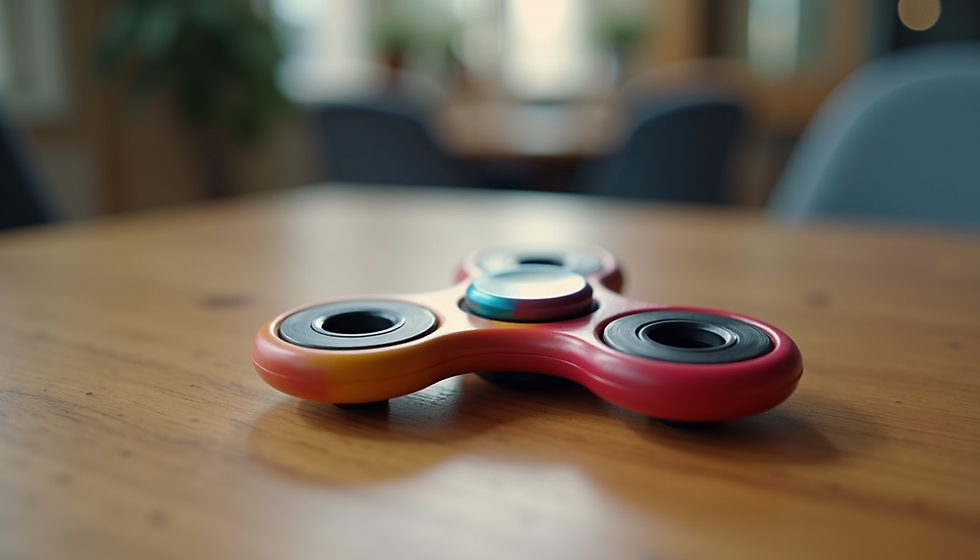
Tactile (Touch) SeekersSome children benefit from keeping their hands busy. They may enjoy squeezing, twisting, rubbing textures, or fidgeting while listening or learning.
Deep Pressure (Calming & Grounding)Some children feel calmer and more secure with deep pressure input. These tools can be especially helpful during transitions, emotional regulation, or winding down.
Children Who Need Discreet SupportMany children, particularly at school, prefer tools that don’t draw attention. Discreet sensory supports can make a significant difference while remaining low-profile.
Trial, Observe, Adjust
Sensory support is often a process. It’s common to:
Try more than one option
Rotate tools over time
Notice needs change depending on age, environment, or daily demands
A tool is helpful if your child appears calmer, more settled, or better able to participate.
Need Support Choosing?
If you’re unsure where to start, you’re welcome to reach out. While every child’s needs are different, I’m happy to help you think through options based on what your child tends to seek or avoid.
You know your child best — We are here to support you.
Sensory tools are support tools and are not a substitute for professional advice. Always use products as intended and under appropriate supervision.



Comments