


Choosing the Best Sensory Toys
When it comes to supporting children with sensory needs, finding the right tools can feel like a journey filled with hope and discovery. I’ve walked this path alongside many families and educators, and I understand how important it is to choose items that truly make a difference. Sensory toys are more than just playthings - they are bridges to comfort, focus, and joy. In this post, I want to share practical insights and thoughtful advice to help you select the best sensory toys that nurture and empower.
Understanding the Importance of the Best Sensory Toys
Choosing the best sensory toys means looking beyond the surface. It’s about understanding how different textures, sounds, and movements can soothe or stimulate a child’s senses in a positive way. Each child’s sensory profile is unique, so the toys that work wonders for one might not be the perfect fit for another.
For example, some children find calm in the gentle resistance of a fidget toy, while others might benefit from the soft, squishy feel of a sensory ball. The key is to observe and listen carefully to the child’s reactions. When a toy invites engagement without overwhelming, it becomes a valuable tool for self-regulation and exploration.
What Makes a Sensory Toy Effective?
Texture Variety: Toys with different surfaces like smooth, bumpy, or squishy textures help children explore tactile sensations.
Safe Materials: Non-toxic, durable materials ensure safety during play.
Appropriate Size: Toys should be easy to hold and manipulate, matching the child’s age and motor skills.
Multi-Sensory Engagement: Toys that combine touch, sight, and sound can enrich sensory experiences.
Calming or Stimulating Effects: Depending on the child’s needs, toys can either soothe or energize.
By focusing on these qualities, you can select toys that truly support sensory development and emotional well-being.

How to Identify the Best Sensory Toys for Your Child
Finding the best sensory toys involves a blend of observation, research, and sometimes a bit of trial and error. Here are some steps I recommend to make this process smoother and more rewarding:
Observe Sensory Preferences: Notice which textures, sounds, or movements your child naturally gravitates towards. Do they enjoy soft fabrics, or are they drawn to crunchy noises?
Consider Sensory Challenges: Identify areas where your child might need extra support, such as calming down, focusing, or improving fine motor skills.
Research Trusted Sources: Look for products recommended by therapists or specialists. Online stores like Sensory Haven 4 Kids offer carefully selected options tailored to sensory needs.
Start Small: Introduce one or two toys at a time to see how your child responds before expanding the collection.
Involve the Child: Whenever possible, let the child explore and choose toys themselves. Their preferences are a valuable guide.
By following these steps, you create a personalized sensory toolkit that grows with your child’s evolving needs.
Exploring Different Types of Sensory Toys
Sensory toys come in many shapes and forms, each designed to engage specific senses and support different developmental goals. Here are some popular categories and examples that I find particularly effective:
Tactile Toys
These toys focus on touch and texture. Examples include:
Sensory balls: Soft, spiky, or squishy balls that encourage hand exploration.
Textured mats or blankets: Provide a comforting surface with varied sensations.
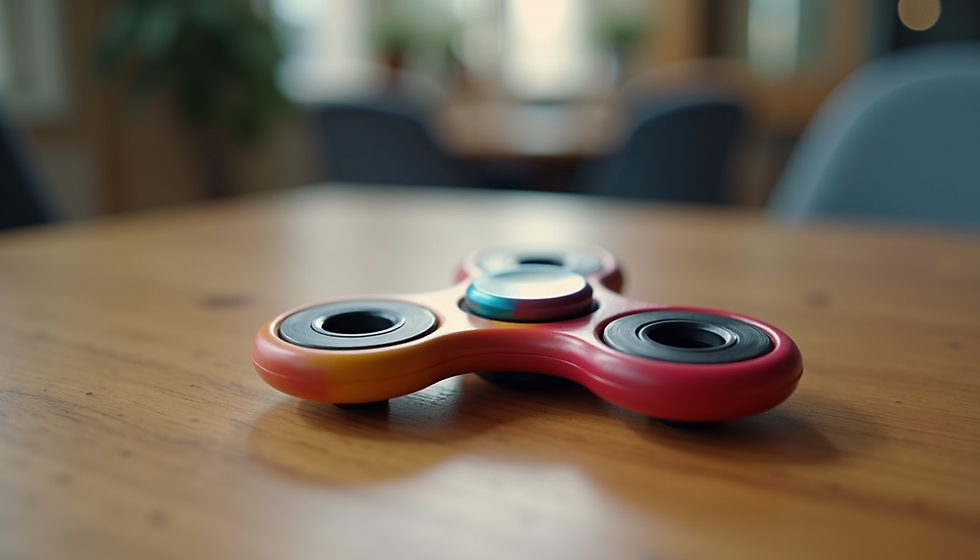
Fidget toys: Small items like spinners or cubes that offer repetitive tactile input.
Visual Toys
Visual sensory toys stimulate sight and can help with focus and tracking skills:
Light-up toys: Gentle glowing or flashing lights can captivate attention.
Liquid motion timers: Watching colorful bubbles flow can be calming.
Kaleidoscopes: Encourage visual exploration and curiosity.
Auditory Toys
Sound-based toys support auditory processing and can be soothing or alerting:
Soft musical instruments: Like rain sticks or chimes.
White noise machines: Provide consistent background sounds to reduce distractions.
Talking or singing toys: Engage language and listening skills.
Proprioceptive and Vestibular Toys
These toys help children understand body position and movement:
Weighted blankets or lap pads: Offer deep pressure for calming.
Balance boards or swings: Promote coordination and balance.
Chewable jewelry: Provide oral sensory input safely.
Multi-Sensory Toys
Combining several senses, these toys offer rich experiences:
Sensory bins: Filled with rice, beans, or sand for tactile and visual play.
Interactive books: With textures, sounds, and bright images.
Activity cubes: Featuring buttons, levers, and different materials.
Choosing a mix of these types can create a well-rounded sensory environment that supports growth and comfort.

Tips for Integrating Sensory Toys into Daily Life
Once you have selected the best sensory toys, the next step is to weave them naturally into everyday routines. This helps children feel supported throughout their day and encourages consistent use.
Create a Sensory Corner: Dedicate a small space at home or in the classroom where sensory toys are easily accessible.
Use Toys During Transitions: Offer a calming toy during times of change, like before leaving the house or starting homework.
Incorporate Play and Learning: Combine sensory toys with educational activities to enhance engagement.
Encourage Independent Use: Allow children to choose and use toys on their own to build confidence.
Monitor and Rotate: Keep an eye on which toys remain favorites and rotate others to maintain interest.
By making sensory toys a natural part of daily life, you help children develop self-regulation skills and find comfort in their environment.
Supporting Emotional Well-being Through Sensory Play
Sensory toys do more than engage the senses - they can be powerful tools for emotional support. When a child feels overwhelmed or anxious, the right sensory toy can offer a soothing anchor. I’ve seen how a simple weighted lap pad or a soft fidget toy can transform moments of distress into calm and focus.
It’s important to approach sensory play with patience and positivity. Celebrate small victories, like a child choosing to use a toy independently or showing signs of relaxation. These moments build confidence and resilience.
Remember, the journey with sensory toys is ongoing. As children grow and change, their sensory needs may shift. Staying attuned and flexible allows you to continue providing the best support possible.
Choosing the best sensory toys is a heartfelt process that combines knowledge, observation, and love. By selecting thoughtfully and integrating these tools into daily life, you create a nurturing space where children can thrive. If you’re looking for a trusted place to find quality sensory products, I warmly recommend exploring Sensory Haven 4 Kids, a wonderful resource dedicated to helping families and educators in New Zealand and beyond.
May your journey be filled with discovery, comfort, and joy as you support the unique sensory world of the children you care for.



Comments